How Waste Equipment Improves Effectiveness in Garbage Compactor Operations
Waste Equipment plays an important duty in improving the effectiveness of trash compactor operations. By using advanced sensors and automation, these systems boost compaction cycles and keep an eye on lots abilities efficiently. This assimilation not only conserves energy yet also minimizes pick-up frequency and connected expenses. As companies increasingly adopt these technologies, the ramifications for functional sustainability and monitoring strategies end up being clearer. What various other advantages might emerge from these improvements in waste Equipment?
The Duty of Advanced Sensors in Compaction Performance
Advanced sensors play an important function in boosting the performance of garbage compactors. These innovative tools check numerous criteria, consisting of lots ability, wetness levels, and compaction cycles, enabling for real-time modifications. By accurately determining the amount of waste, sensing units make it possible for compactors to maximize their procedure, making certain that power usage is reduced while making best use of the volume of waste refined.
Advanced sensors contribute to predictive maintenance by recognizing prospective issues prior to they lead to Equipment failing. This aggressive approach not just reduces downtime yet additionally extends the lifespan of the compactor. In enhancement, data accumulated from these sensing units can be evaluated to enhance functional techniques, leading to enhanced waste management practices. On the whole, the combination of advanced sensors in garbage disposal substantially improves their performance and operational performance, translating into expense financial savings and a more sustainable approach to throw away disposal.
Longevity and Layout: Products That Issue
The durability and design of garbage compactors copyright considerably on the materials utilized in their building. High-grade steel is usually the primary choice, providing strength and resistance to damage. This robust material stands up to the tremendous stress put in during compaction, ensuring long life and integrity. In addition, components such as hydraulic systems are usually crafted from corrosion-resistant alloys to avoid degradation in time, boosting functional effectiveness.
Style also plays an important function in functionality; strategic supports and ergonomic shapes can significantly affect efficiency. Suppliers commonly prioritize modular layouts, permitting much easier maintenance and repairs. Developments in layer modern technologies, such as powder finishing, enhance resistance to environmental elements, including dampness and chemicals. Eventually, the cautious selection of products not only enhances the architectural honesty of garbage compactors however also adds to their overall efficiency and performance in waste management operations.
Automation and Smart Modern Technology in Waste Equipment
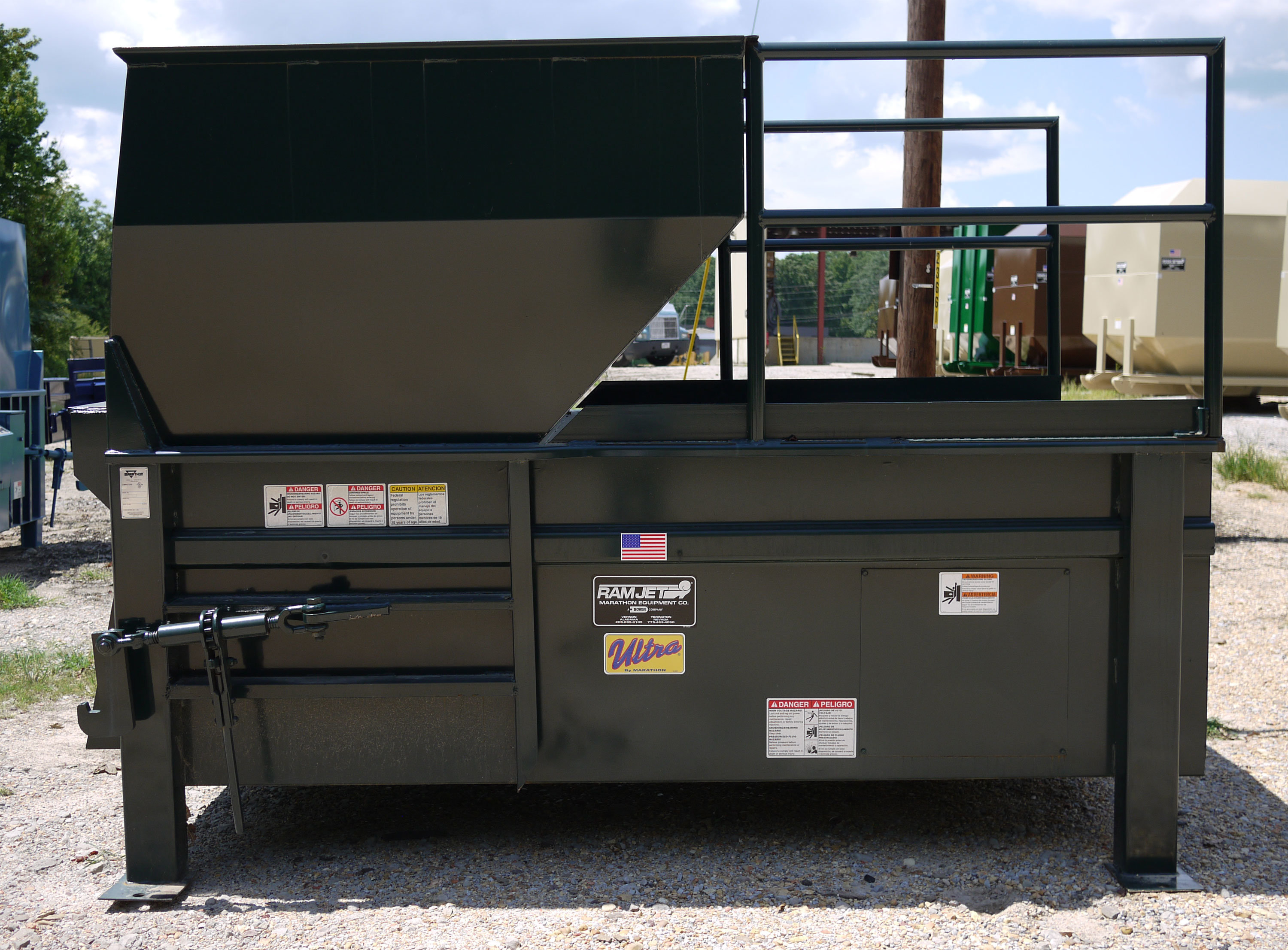
Additionally, automated compactors can optimize compaction cycles based upon the quantity of waste, making the most of space and boosting functional effectiveness. Integration with mobile applications allows customers to keep an eye on and regulate compactors from remote areas, boosting comfort and responsiveness. By adopting these innovations, waste monitoring business can not just boost their operational workflows however additionally add to even more lasting practices by minimizing waste and maximizing source use. On the whole, automation and clever technology stand for a significant leap onward in the performance of garbage compactor operations.
Information Analytics for Maximizing Waste Administration
Utilizing information analytics offers waste management companies an effective device for boosting and enhancing operations effectiveness. By collecting and assessing data from numerous resources, such as compactor efficiency metrics and waste generation patterns, business can obtain valuable understandings. These understandings enable them to make informed choices relating to collection timetables, compactor usage, and upkeep needs.
In addition, predictive analytics can forecast waste generation patterns, enabling firms to assign sources more successfully and prevent possible overflows or underutilizations of Equipment. Real-time surveillance via information analytics additionally improves the capacity to react swiftly to operational difficulties, minimizing downtime and boosting solution integrity.
Additionally, integrating data analytics with existing waste administration systems fosters a culture of constant improvement. By determining inadequacies and tracking performance over time, companies can refine their processes and embrace finest techniques, inevitably resulting in an extra sustainable and efficient waste monitoring approach.
Cost Cost Savings With Improved Operational Effectiveness
By reducing and improving operations waste, companies can achieve significant cost savings in their waste monitoring procedures. Improved operational performance in garbage disposal reduces the regularity of pick-ups, causing lower transport prices. Additionally, advanced waste Equipment permits optimum compaction, maximizing container capability and minimizing the demand for extra containers.
This raised effectiveness not just reduces waste disposal charges but additionally prolongs the life-span of Equipment, lowering maintenance prices. Automated surveillance systems offer real-time information, permitting positive changes in waste handling, which can furthermore boost performance why not try here and minimize unexpected expenditures.
Furthermore, robust training programs for personnel on Equipment use can result in boosted operational methods, even more driving down costs. Eventually, the assimilation of reliable waste Equipment fosters a cost-effective waste management technique that profits companies financially while making sure smoother procedures.
Environmental Influence: A Sustainable Approach to Waste Administration
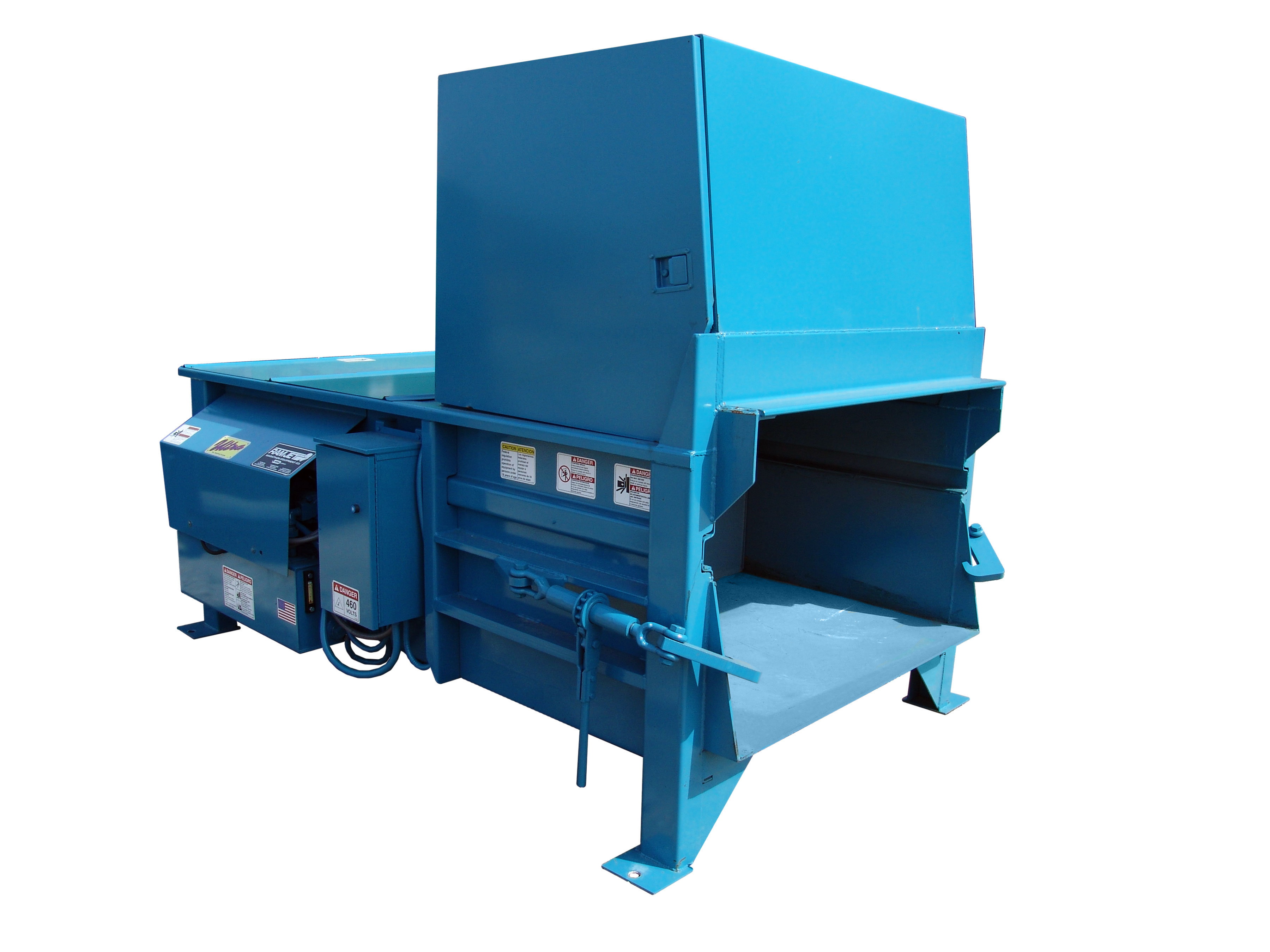
Executing recycling initiatives along with compaction processes permits companies to draw away products from landfills, advertising circular economic situation principles. Services that embrace ecologically pleasant practices not only boost their corporate obligation yet also allure to increasingly eco-conscious consumers. By focusing on sustainability in waste monitoring, organizations can achieve a double advantage: improving operational effectiveness while proactively adding to environmental conservation. This well balanced strategy positions organizations as leaders in sustainable methods, cultivating a much healthier planet for future generations.
Frequently Asked Concerns
Exactly How Often Should Waste Equipment Be Preserved for Ideal Efficiency?
The regularity of maintenance for waste Equipment typically depends upon use and producer referrals - Industrial waste compaction equipment. Generally, evaluations must happen quarterly, with detailed maintenance every year to assure peak performance and prevent possible failures or inadequacies
What Kinds of Waste Can Be Processed in Trash Compactors?
Garbage disposal can refine different sorts of waste, including cardboard, paper, plastics, and non-hazardous index food waste. Nonetheless, customers should stay clear of condensing unsafe products, steels, and fluids to assure risk-free and effective operation.
Are There Security Features in Modern Trash Compactors?
Modern garbage compactor often include safety attributes such as automated shut-off devices, emergency stop buttons, and sensing unit systems (Industrial waste compaction equipment). These improvements are made to protect individuals from prospective dangers during operation, promoting a more secure working setting
Exactly How Does Waste Equipment Effect Labor Demands?
The impact of waste Equipment on labor demands is substantial; it frequently lowers the requirement for manual work, enhancing and enhancing processes efficiency. Consequently, less employees are required, allowing companies to allocate resources extra effectively.
What Is the Ordinary Life-span of a Garbage Compactor?
The average lifespan of a garbage disposal commonly varies between 10 to 15 years, relying on usage, maintenance, and environmental variables. Normal servicing can prolong this life expectancy, making certain perfect performance and reliability throughout its functional years.
By adopting these technologies, waste management companies can not just boost their operational workflows yet additionally contribute to more lasting methods by lessening waste and maximizing resource usage. By lessening and simplifying operations waste, firms can attain considerable expense financial savings in their waste administration processes. Sustainable waste management techniques, specifically in trash compactor procedures, add substantially to lowering landfill here waste and lowering carbon footprints. Modern waste Equipment is developed to enhance compaction, consequently decreasing the volume of waste needing disposal. Trash compactors can process various types of waste, consisting of cardboard, paper, plastics, and non-hazardous food waste.
Comments on “How Industrial waste compaction equipment adds eco-friendly initiatives”